Cheapest Time To Visit Edinburgh: A Month By Month Price Guide
Edinburgh hotel prices swing harder than almost any UK city, from £111 average room rates in January to £199 or more in August. Pick your dates by the price calendar and the same room can cost half as much.

Short answer
January is the cheapest month to visit Edinburgh, with an average advertised hotel rate of £111 for two adults, followed by November at £149; February low but untracked, rugby aside. August is the most expensive month at an advertised average of £199, with Fringe weeks and Murrayfield concert nights pushing individual hotels far higher.
Edinburgh accommodation runs on one of the most dramatic price cycles in Britain. Advertised hotel rates for two adults averaged £111 per night in January 2027 on live booking-site scans, and £199 in August 2026, a difference of nearly ninety pounds for the same city, often the same chains. If your dates are flexible, when you go matters more than where you stay or how you book. This guide walks through the month by month pattern, the dates that break it, and how to use the quiet weeks to lock in a cheap hostel bed or budget hotel room.
When Is The Cheapest Time To Visit Edinburgh?
January is the cheapest month to visit Edinburgh, with advertised double-room rates for two adults averaging £111 per night, the lowest of any month tracked. November follows at £149, with February typically just as quiet, making late autumn and late winter the two reliable windows for cheap rooms. August is the dearest month; the coming year's scans put it at £326, with January the cheapest at £111.
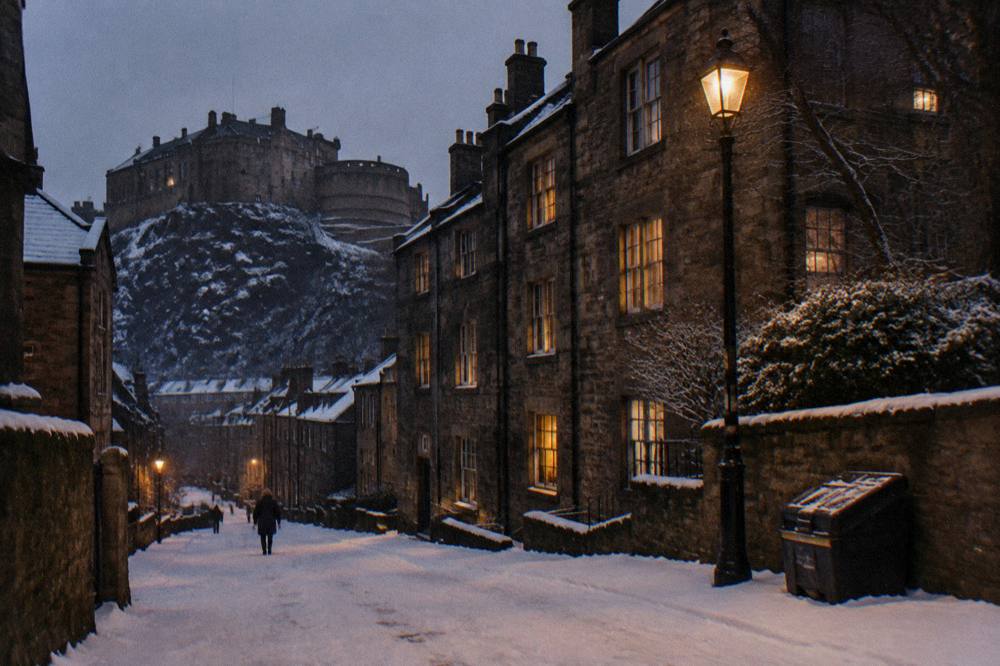
The depth of the winter discount is real, not marginal. Tracking service HotelMonitor scans booking sites monthly for two-adult rooms and put January 2027 at £111 against an annual average of £202, roughly 45 percent below the yearly mean. Those January rates apply to the weeks after Hogmanay ends, once the New Year crowds clear and before the city fills again for Six Nations rugby in February. Weather is cold and days are short, but every museum, pub and hostel stays open, and the winter darkness is part of the point when the Christmas markets in St Andrew Square run to early January.
Two caveats apply to any "cheapest month" claim. First, these are advertised hotel averages, not the floor: budget chains and hostels go lower still, with dorm beds from £10 at Kick Ass Greyfriars in the off-peak. Second, single events puncture the quiet months. A Murrayfield rugby international in February or a sold-out concert can double central room rates for two nights regardless of season, so always cross-check your dates against the event calendar later in this guide. Price is only half the equation, though, and our month by month guide to the best time to visit Edinburgh weighs weather, festival crowds and hotel rates together so you can pick dates that suit both your budget and your patience.
For travellers who can move a trip by a fortnight, the payoff is large: the same three-night stay can cost hundreds of pounds less in the third week of January than in the third week of August.
How Do Edinburgh Hotel Prices Change Month By Month?
Advertised rates for two adults climb from a £111 low in January to a £199 peak in August, then slide back down through autumn: £149 in November, £176 in October and December. The pattern is stable year to year because Edinburgh's demand drivers, festivals, rugby and Christmas, sit on fixed dates.
Live booking-site scans collected by HotelMonitor give a clean monthly series, shown in the table below. Use it as a planning range: individual budget hotels and hostels sit below these averages, while rooms during event weekends sit far above them.
| Month | Advertised average (double, 2 adults) | Season |
|---|---|---|
| January 2027 | £111 | Winter low |
| February 2027 | Not yet tracked; typically low, rugby dates excepted | Winter low |
| March 2027 | Not yet tracked; rising into spring | Shoulder |
| April 2027 | Not yet tracked; Science Festival lift | Shoulder |
| May 2027 | Not yet tracked; summer climb begins | Shoulder high |
| June 2027 | Not yet tracked; Royal Highland Show spike | Shoulder high |
| July 2026 | £156 | Summer |
| August 2026 | £199 | Festival peak |
| September 2026 | £203 | Peak Month: August |
| October 2026 | £176 | Autumn |
| November 2026 | £149 | Autumn low |
| December 2026 | £176 | Christmas lift |
Two surprises sit in that series. August tops the forward month series at £326, with January the lowest at £111; the September 2026 scan came in at £203, against £199 for August 2026. And December averages only £176 despite the Christmas markets running 14 November 2026 to 3 January 2027, because the spike is concentrated: the market fortnight and Hogmanay week are expensive, while early December weekdays are close to November pricing.
Occupancy explains why the pattern holds so firmly. Council-commissioned market data recorded 84.6 percent hotel occupancy across the twelve months to April 2026, the highest among sampled European gateway cities, and August occupancy alone hit 90.9 percent with an average daily rate of £261. A city that full has no reason to discount, except in the dead weeks. That is your advantage: January weekdays, November weekdays outside market opening, and the first week of March are the pockets where rates fall hardest.
Budget options follow the same curve at a lower level. A dorm bed at a central hostel runs from around £12 per night on off-peak weekdays to £35 and more in festival weeks, roughly a threefold swing. Guesthouses and budget hotels see similar multiples on their double rooms. Whatever type of cheap accommodation in Edinburgh you choose, the season sets the baseline before you compare a single property, and our master guide to the best cheap accommodation in Edinburgh lists the cheapest verified options to price against that baseline.
Which Dates Make Edinburgh Room Rates Spike?
The August Fringe, Hogmanay week and Murrayfield event nights produce the sharpest spikes: August 2025 advertised rates averaged £232, 38 percent above July, while Oasis concert nights in August 2025 saw average hotel prices jump 88 percent to £430 against £229 three weeks later. Book these dates months ahead or avoid them entirely.
The festival effect is the famous one. The Fringe runs 6 to 30 August 2027, with the Royal Edinburgh Military Tattoo on overlapping dates, 6 to 28 August, and press advice consistently points to booking 9 to 12 months ahead for affordable central rooms. Central and cheap options thin out by January to February of the festival year and are mostly gone by spring. Mid-week nights in the Fringe's later weeks are the softest spot if you must go in August on a budget, as reported in festival accommodation guides.
The Murrayfield effect is less famous and often sharper. Because a stadium concert or rugby international compresses tens of thousands of visitors into two nights, price jumps exceed even Fringe percentages: analysis of the August 2025 Oasis shows recorded average rates 88 percent higher on concert nights, with a separate measure putting the jump at 91 percent to £613 from £321 the previous week. Six Nations fixtures at Murrayfield in 2027 fall on 6 and 13 February and 5 March, dates that sit inside the otherwise-cheap late winter window. Check the fixture list before you assume February is cheap.
Hogmanay is the third spike. Edinburgh was measured as the UK's most expensive New Year's Eve destination with an average advertised room of £481 for NYE 2025, and last-minute three-night Hogmanay stays surged 316 percent in price. The official programme runs 29 to 31 December 2026, with street party tickets from £10. Cheaper rooms for that week largely sell by mid-September.
| Event | Dates | Price effect |
|---|---|---|
| Fringe and Tattoo | 6 to 30 Aug 2027 | August 2025 average £232, 38% above July; central budget rooms scarce by spring |
| Hogmanay | 29 to 31 Dec 2026 | NYE 2025 average advertised room £481; last-minute three-night stays up 316% |
| Six Nations rugby | 6, 13 Feb and 5 Mar 2027 | Concert-scale jumps reported at Murrayfield; up to 88 to 91% on event nights |
| Christmas markets | 14 Nov 2026 to 3 Jan 2027 | December average £176; market fortnight and NYE week carry the spike |
| Royal Highland Show | 17 to 20 Jun 2027 | June demand lift reported; city-wide effect milder than stadium nights |
For a cheap stay, the tactic is inversion: the dates everyone avoids are yours. The week after Hogmanay, from around 2 to 6 January, is the single cheapest window of the year, with advertised averages at their £111 floor and hostels at their lowest dorm rates. If August is fixed for you, our guide to cheap accommodation during the Edinburgh Fringe covers where the affordable beds actually are once the centre sells out.
Is Shoulder Season The Best Value Time To Visit?
Shoulder season, meaning late April to June and September to October, offers the best trade of price against weather and daylight, with advertised averages of £156 in July's edge and £176 in October. Rooms cost 15 to 25 percent less than peak, events thin out, and the city stays fully open.
Shoulder season rewards travellers who want Edinburgh at its best without paying the August premium. May and June bring long daylight, dry-ish weather and the Meadows in bloom, while late September and October deliver autumn colour along the Water of Leith and empty-ish museum queues. The October advertised average of £176 sits 13 percent below September's £203, and weekday rates run softer still than the monthly averages suggest. The full index of guides sits on Cheap Hotels Edinburgh.
The value logic differs by stay type. For hostels, shoulder weekdays mean dorm beds at or near their off-peak floor: Castle Rock Hostel lists dorm beds from £16 per night, and its 9.42/10 rating across 25,769 reviews makes it one of the most-reviewed budget properties in the city. Weekends still lift prices, so a Sunday-to-Thursday pattern is the cheapest way to buy shoulder season.
Castle Rock sits beneath the castle on Johnston Terrace, so the low shoulder rate buys the most expensive real estate in the city. Check current rates for Castle Rock Hostel, and remember the hostel is adults only, 18 and over, with lockers and a 24-hour desk.
For guesthouses, shoulder season is when the cheaper Leith and Southside houses come into their own. Mayfair Guest House in Leith lists double rooms from £55 per night for two adults, the lowest verified double-room from-price anywhere in this site's roster, rated 7/10 across 821 reviews. On a £55 base, even a peak-weekend doubling stays under the city's mid-range hotel rates. See current rates for Mayfair Guest House and weigh the tram-and-bus ride from Leith against the £100-plus you save against a central Old Town room of similar standard.
One shoulder-season trap: June's Royal Highland Show, 17 to 20 June 2027, and any announced Murrayfield concert. These compress specific nights rather than whole weeks, so shifting a stay by two days sidesteps them.
How Cheap Is Edinburgh In Winter?
Winter is the cheapest time to visit Edinburgh: January's advertised average of £111 per night for two adults is 45 percent below the annual mean of £202, and hostels drop dorm beds to their off-peak floors of roughly £12 to £20. The trade-offs are short daylight, cold weather and occasional winter event nights.
The winter window runs from the first week of January, once Hogmanay ends, through to early February, excluding Six Nations weekends. November outside the market-opening fortnight is nearly as cheap at £149. Within these weeks, weekday nights are the softest of all, and chains discount hardest: Travelodge's own search results listed Edinburgh rooms from £49.99 for an October midweek night, and winter midweek nights follow the same logic at the budget end.
Travelodge Edinburgh Central Queen Street, in the New Town a short walk from Princes Street, lists double rooms from £83 per night for two adults, rated 4/5 across 101 reviews. In January that base rate meets the season's discounting, and midweek winter nights at budget chains are where the absolute cheapest private rooms in the city appear. See current rates for Travelodge Central Queen Street.
What you trade for the price is real but manageable. Daylight in deep winter runs roughly 8:30am to 4pm, so sightseeing compresses into the middle of the day, with museums, pubs and the National Museum of Scotland's free galleries filling the dark hours. The Christmas markets, running 14 November 2026 to 3 January 2027, mean early December and market-season evenings are lively rather than dormant, and the dark weeks after they close are when the deepest discounts land.
How Does The Visitor Levy Change The Cost By Season?
The Edinburgh Visitor Levy adds 5 percent of the room or bed price before VAT, capped at the first five consecutive nights, for stays from 24 July 2026 where the booking was made on or after 1 October 2025. It applies at the same rate every day of the year, so it does not change which month is cheapest, but it adds a fixed sliver to every bill.
The levy applies year-round, to hotels, hostels, guesthouses, aparthotels and short-term lets alike, and it is collected by the accommodation provider or the platform if the platform takes payment. On a £111 January room the levy is a few pounds; on a £261 August average-rate room it is larger, but because it is a flat percentage the relative ranking of months is unchanged. Full mechanics are in our guide to the Edinburgh Visitor Levy and your hotel bill, and the Council's official pages carry the authoritative rules.
| Stay length | Levy treatment | Season note |
|---|---|---|
| 1 to 5 nights | 5% of accommodation cost, all nights | Applies in every month equally |
| 6 nights or more | First 5 nights only, nights 6 onward free | Long winter stays gain most from the cap |
| Booked before 1 Oct 2025, stay after 24 Jul 2026 | Exempt | Rare now, but check old confirmations |
| Dorm bed | 5% of the bed price | Cheapest stays pay pennies |
Two practical notes for price hunters. First, the five-night cap rewards the long winter break: a seven-night January stay pays the levy on five nights only, nudging the effective per-night cost down further. Second, one platform cannot yet apply the cap automatically and advises properties to refund the excess, so on stays longer than five nights, read your final bill rather than assuming.
What Are The Best Booking Tactics For Each Season?
For January and November, book two to six weeks ahead and hunt weekday nights; for shoulder season, book one to three months out around event dates; for August and Hogmanay, book nine to twelve months ahead or accept a location outside the centre. Non-refundable rates typically save 10 to 30 percent but remove flexibility.
The lead time is the variable most travellers get wrong. Quiet-season rooms do not need booking in advance, and last-minute midweek winter deals at budget chains are common; the last-minute logic reverses entirely for the Fringe, where central rooms at sane prices are largely gone three to five months out. Mid-week Fringe nights in the festival's later weeks are the exception, measurably easier than weekends.
For the peak weeks, moving out of the centre is the reliable saving. Leith, Haymarket and the Southside sit 15 to 25 minutes from the Royal Mile by tram or bus, with a city-zone single at £2.40 and a day cap of £5.70 on contactless. A room that costs £80 less per night outside the centre pays for all of your transport many times over. Our comparison of staying central versus the airport corridor runs the same maths for early flights.

Rate type is the other lever. Industry-standard non-refundable rates typically run 10 to 30 percent cheaper than flexible ones, a genuine saving if your dates are locked. If your dates are flexible enough to chase the cheapest month, a refundable rate lets you rebook if the price drops or a cheaper window opens. Hostel deposits follow their own rules, typically refundable inside a 24 to 48 hour window, so check the house rules at booking rather than assuming.
| Season | Book how far ahead | Best nights | Typical tactic |
|---|---|---|---|
| January, early February | 2 to 6 weeks | Sunday to Thursday | Last-minute chain deals; long stays use the levy cap |
| March to June | 1 to 3 months | Midweek | Dodge Murrayfield and Highland Show dates |
| July to September | 3 to 12 months | Later weeks, midweek | Move out of centre; book refundable early, rebook if cheaper |
| October to November | 2 to 8 weeks | Weekdays before market opening | November weekdays among the year's cheapest |
| December, Hogmanay | 3 to 9 months | Early December weekdays | Markets week and NYE book far ahead or skip |
One more tactic that costs nothing: read the total, not the headline. UK pricing rules require the levy-inclusive total to be shown at the point of booking, but cleaning fees at apartments and breakfast add-ons at hotels can move the real cost. Cheap Hotels Edinburgh exists to make that comparison honest: every from-price on this site states its basis, dorm bed or double room for two adults, so the cheapest month and the cheapest room multiply rather than muddle.
Common Questions About The Cheapest Time To Visit Edinburgh
What is the cheapest month to visit Edinburgh?
January, with an advertised average of £111 per night for a double room for two adults, the lowest tracked month. November follows at £149. Both months require dodging Murrayfield rugby and the Christmas-market opening fortnight respectively.
What is the most expensive time to visit Edinburgh?
August, during the Fringe and Military Tattoo, with an advertised average of £199 and individual event nights far higher. August is the highest month of the coming year at £326 in advertised averages for two adults, and January the lowest at £111, while HotelMonitor's scan of September 2026 came in at £203.
Is Edinburgh cheap in winter?
Relative to itself, yes: January and February rates run 40 to 50 percent below summer peaks in some comparisons, and hostel dorm beds drop to off-peak floors of roughly £12 to £20. Daylight is short, but attractions stay open and the January week after Hogmanay is the year's cheapest window.
How far ahead should I book Edinburgh for the Fringe?
Nine to twelve months ahead for the best selection and rates on central, affordable rooms, with the cheapest options thinned out by January to February of the festival year and mostly gone by March to May. Mid-week nights in the Fringe's later weeks are the softest alternative.
Does the visitor levy make some months more expensive?
No. The Edinburgh Visitor Levy is 5 percent of the accommodation cost before VAT, charged at the same rate every day of the year and capped at the first five nights of a stay. It adds the same relative sliver in January as in August, so the cheapest months stay the cheapest.
Are weekday nights cheaper than weekends in Edinburgh?
Generally yes outside event periods. Weekday nights in January, March and November carry the deepest discounts, and general UK reports put Sunday among the cheapest nights. In Edinburgh, event dates such as Murrayfield nights override the weekday pattern entirely.