Why Are Edinburgh Hotels So Expensive?
The real reasons Edinburgh hotel prices climb: festival demand, tight supply, record occupancy and the visitor levy, plus what actually moves a rate down.
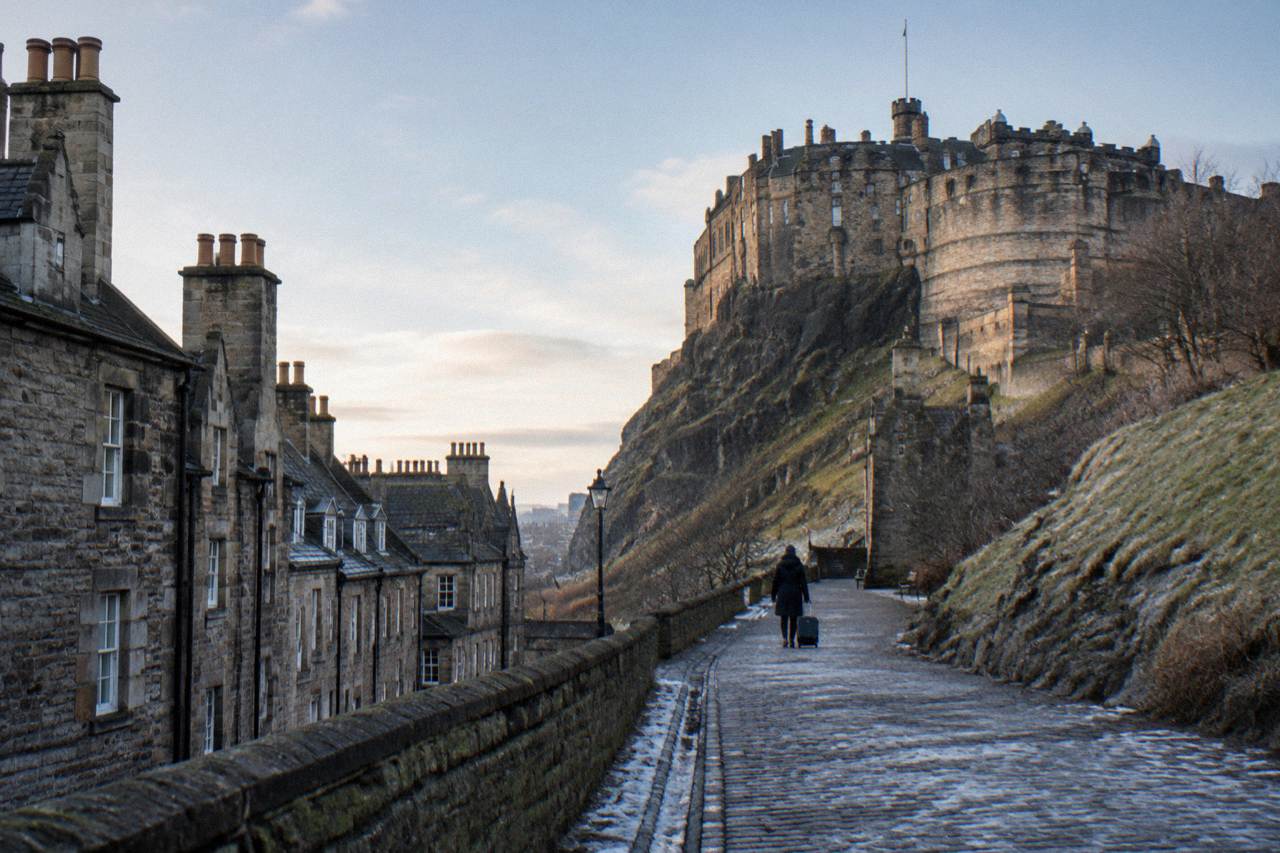
Edinburgh hotel prices confuse people who have booked other UK cities. A double room that costs £85 on a November weekday can clear a £261 average rate in the same building three months later, and the budget hotel you paid £70 for last year may quote double that this winter. The pattern is not random. Listing data and market reports point to a city that sells out, a calendar that concentrates demand into short bursts, and a stock of rooms that physically cannot expand in time to meet it. If you have any flexibility on timing, our month by month guide to Edinburgh prices, weather and festival crowds shows which part of the year offers the best balance of cost and comfort.
The good news is that the same forces that push prices up also tell you exactly when they come back down. Once you see which lever moves a rate, cheap rooms in Edinburgh stop being luck and start being timing. A hostel dorm bed still starts from £10 per night at Kick Ass Greyfriars, a budget hotel double from £69 at the airport edge, and the gap between those and a peak-week quote in the Old Town is the whole story of this page.
Why Are Edinburgh Hotels So Expensive?
Edinburgh hotels are expensive because the city runs near full all year and then overfills in bursts. Market data shows 2025 occupancy of 84.6% with an average daily rate of £165, and last August peaked at 90.9% occupancy with a reported £261 average rate. When a city sells almost every room it has, hotels have no reason to discount, and scarce centre beds bid prices upward.
Three forces stack on top of each other. The first is structural: Edinburgh is a small city with a huge visitor pull, and its centre is a UNESCO World Heritage Site where building new hotels is slow and contested. Planning reports recorded 2024 as the highest occupancy in a ten-year series, and analysts noted average rates running more than 60% above 2019 levels. New openings help at the margins, but the council's own economic study shows demand absorbing them.
The second force is the calendar. August festivals, Hogmanay, Murrayfield concerts and rugby weekends each compress demand that would elsewhere spread across a season into a handful of nights. Reported snapshots found average hotel prices jumping 88% on Oasis concert nights versus three weeks later, and Murrayfield rugby weekends behave the same way. A single Saturday can reset the whole week's pricing.
The third is the visitor levy. Since 24 July 2026 stays carry a 5% charge on the room or bed price before VAT, capped at the first five nights, which adds a visible sliver to every bill for bookings made on or after 1 October 2025. It is not the reason hotels are expensive, but it is now part of the arithmetic, and our guide to the Edinburgh visitor levy breaks down exactly how it lands on your total.
Why Is Edinburgh So Expensive In August?
August is expensive because the Fringe, the International Festival, the Tattoo and the Art Festival all run at once, converting the entire city centre into a venue. Reported market figures show last August at 90.9% occupancy and a £261 average daily rate, with advertised averages 38% above July. Nearly every bed within walking distance of venues sells, so prices stop obeying normal logic.
The Fringe alone runs most of a month. Performers, crews, media and audiences arrive before tourists do and book early, which is why affordable central options thin out months in advance. Press advice for the festival consistently points to booking 9 to 12 months ahead, with central budget rooms mostly gone by spring and prices climbing from there.
| Period | Reported Or Advertised Signal | What It Means For A Budget Booker |
|---|---|---|
| January and February | Advertised average £111, the cheapest tracked month | The genuine low season, best rates of the year |
| March to May | Occupancy at or above 80%, rising rates | Still bookable, but the discount window closes |
| June to September | Last August 90.9% occupancy, £261 average rate | Peak, book far ahead or stay outside the centre |
| October to November | Advertised averages £176 falling to £149 | The second-best value window after winter |
| Hogmanay week | Average advertised NYE room £481 | Book by early autumn or accept Leith and suburbs |
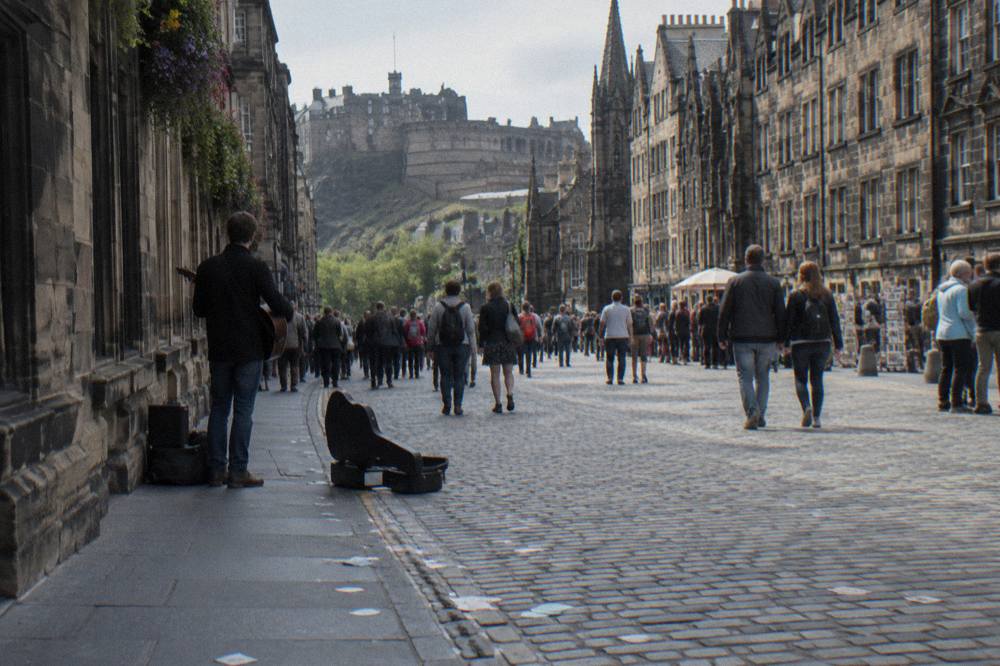
There is a way to fight back. A dorm bed in an Old Town hostel roughly triples in August, yet a budget hotel on the tram line at Edinburgh Park or by the airport holds far closer to its year-round rate, and the tram covers the distance to the centre in well under half an hour. Trading postcode for price is the single biggest August saving available, and our cheap accommodation for the Fringe guide works through the options in order of cost.
Why Are Hotel Rooms In Edinburgh So Expensive?
Hotel rooms in Edinburgh are expensive per room, not per person, because supply is fixed and demand is not. The city centre is a protected heritage area, so new hotels arrive slowly through office conversions, while visitor numbers keep climbing. With 2025 occupancy reported at 84.6% and average rates 62.6% above 2019, the average room simply carries what the market will bear.
Supply does move, but in Edinburgh it moves at planning-pace. The recent additions that matter to budget travellers are conversions rather than new builds: a MEININGER hybrid hostel-hotel opened at Haymarket on 5 August 2026, a 113-room aparthotel conversion was approved at Edinburgh Park in October 2025, and a 102-bedroom hub by Premier Inn conversion is scheduled for 2027. Each one takes an office block, a gap year and a planning committee.
Meanwhile the demand side keeps compounding. Christmas markets now run from mid-November into January, rugby internationals fill Murrayfield three times in early 2027: 6 Feb, 13 Feb, 5 Mar, and concert weekends spike rates by more than half overnight. When demand spikes against fixed supply, the price of the best-located rooms goes up first, and the increase cascades outward to every cheaper property in reach of a bus stop.
The practical consequence: the room you want does not get cheaper the longer you wait, it gets scarcer. Budget chains in the centre price dynamically, and reported traveller comments across 2024 to 2026 describe the same pattern of city nights climbing toward £170 to £200. Booking early, midweek and slightly out of the centre is not a hack, it is the only reliable lever.
Does The Visitor Levy Make Edinburgh Hotels More Expensive?
The visitor levy adds 5% to the room or bed price before VAT, charged on the first five nights of a stay from 24 July 2026, for bookings made on or after 1 October 2025. On an £85 double room that is a little over £4 per night. It is a real extra cost, but it explains about 5% of a bill, not the 40% August premium.
The council's own pages set the rules, and the official visitor levy scheme confirms the rate, the five-night cap and the start date. Extras such as meals and parking are excluded from the calculation, and the levy is charged on the room or bed price rather than per guest, so a family sharing one room pays it once on that room's cost.
One wrinkle matters to anyone comparing prices. UK pricing rules require the total inclusive of the levy to be shown at the point of booking, but where it sits on screen varies between the operator's own site and a listing platform. Always read the final summary line, not the headline nightly figure, and check the council's levy pages if a bill looks wrong. Bookings paid for before 1 October 2025 for stays after 24 July 2026 are exempt, a detail worth knowing if you hold an older reservation.
Where Can You Still Find Cheap Rooms When Prices Spike?
Cheap rooms survive price spikes in three places: hostels with dorm beds from around £10 to £21 per night, budget hotels beyond the centre from £69 per night for a double, and university residences in summer. The trick is matching the spike, if it is August or Hogmanay you move outwards or into a dorm, and if it is a concert weekend you check the calendar before you book.
Start with distance. Premier Inn Edinburgh Airport at M9 Junction 1 lists from £69 per night for a double room, two adults, rated 4/5 across 243 reviews, and the Airlink 100 bus or the tram connect it to the centre in around half an hour. On an August weekend that single substitution can save more than any loyalty scheme.
Then move down the room type. A dorm bed is the cheapest legal bed in the city and the price floor is remarkably stable outside peak weeks. Castle Rock Hostel, under the castle rock itself, lists from £16 per dorm bed per night and carries a 9.42/10 rating across 25,769 reviews, one of the largest review pools of any stay in the city. It is adults only, with 24-hour reception, which is why solo travellers keep it near the top of every value list.
Summer adds a third option that most visitors never check: university rooms. Pollock Halls, the University of Edinburgh's residence village on the south side, opens to the public from late May to early September and holds an 8.1/10 rating across 7,506 reviews, with published guide rates around £62 for a single with shared bathroom and breakfast. Our how to stay in Edinburgh cheaply explainer walks through the full ladder from dorm to apartment.
What Actually Moves An Edinburgh Hotel Price Down?
Four levers reliably cut an Edinburgh rate: travel in January or February rather than summer, book midweek instead of Friday and Saturday, book festival and Hogmanay dates months ahead rather than weeks, and move one neighbourhood out from the Royal Mile. Advertised averages fall from £326 in August to £111 in January, which is the size of the prize for shifting dates alone.
Timing is the biggest lever by far. The tracked monthly data shows November at £149 and January at £111 against a £202 annual average, so a trip moved by eight weeks can nearly halve the hotel bill. The city is fully open in winter: museums, galleries and the castle run all year, and Edinburgh's Christmas markets from 14 November to 3 January actually make the cold weeks the more atmospheric choice.
Lead time is the second lever, and it only matters at the spikes. For normal weeks, budget chains price dynamically and late deals appear; for August, Hogmanay and Murrayfield weekends, waiting costs money because affordable inventory disappears first. The official Fringe accommodation guidance is blunt about this: negotiated affordable options are first-come, first-served, and listings go live early in the year.
Location and room type are the last levers. A double room in Leith or Haymarket undercuts the same brand on the Royal Mile by a wide margin, and a dorm bed undercuts everything. One compact central option that holds its value logic is hub by Premier Inn Edinburgh Royal Mile, a budget hotel from £115 per night for a double room, two adults, rated 3.5/5 across 306 reviews: small rooms, but a position that removes any need for transport spending, which is why see current rates for hub by Premier Inn Royal Mile before assuming the centre is out of reach. This site, Cheap Hotels Edinburgh, exists to make those comparisons in one place.
The honest summary is that Edinburgh is expensive because it works: occupancy above 84% means the city is delivering something people want, at almost any price. Your job as a budget traveller is not to escape the market but to pick the weeks it discounts, and the discount weeks are genuinely cheap.
Common Questions About Edinburgh Hotel Prices
Why Are Edinburgh Hotels So Expensive?
Because demand runs ahead of a fixed supply: reported occupancy of 84.6% in 2025 with average rates 62.6% above 2019, spiking to 90.9% occupancy and a £261 average rate last August. A heritage-constrained centre cannot add rooms quickly, so peak demand bids up the beds that exist.
Why Is Edinburgh So Expensive In August?
The Fringe, International Festival and Tattoo all run in August, filling the city for a full month. Advertised averages run about 38% above July, and performers book early, so affordable central rooms vanish months ahead. Stay along the tram line or in a hostel dorm to dodge the worst of it.
Why Are Hotel Rooms In Edinburgh So Expensive?
Rooms are priced per room against scarce supply. New hotels arrive slowly through office conversions, while festivals, rugby and concerts keep demand climbing, so the average room carries whatever the fullest week will bear rather than a steady year-round rate.
Does The Visitor Levy Explain High Hotel Prices?
No. The levy adds 5% of the room or bed price before VAT, first five nights only, for stays from 24 July 2026 booked on or after 1 October 2025. It is a real extra on the bill, but festival premiums of 40% or more dwarf it.
What Is The Cheapest Month For Hotels In Edinburgh?
January and February. Tracked advertised averages put January at £111, the cheapest month recorded, against £202 across the year, with August the highest month at £326. The city stays fully open through winter, so the saving costs you little besides warmth.
How Far Ahead Should I Book Edinburgh For Festivals?
For August and Hogmanay, book as early as you can manage: guidance points to booking the autumn before, with central budget rooms largely gone by spring. For ordinary weeks, budget chains price dynamically and midweek late deals do appear.